Wellness
Prevention is key.
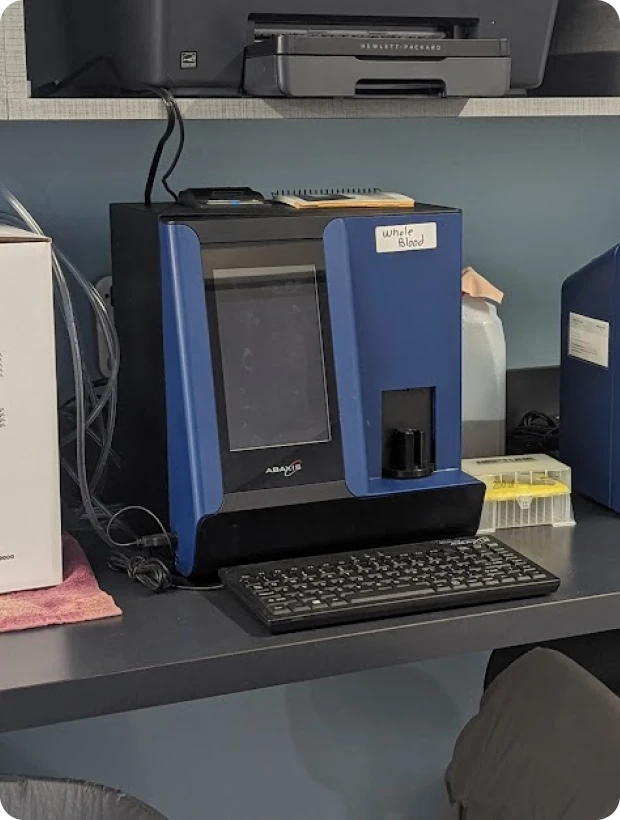
Century Equine can answer all your questions about vaccines and de-worming your horse while also keeping you updated on current outbreaks and recommendations. It is our desire to provide advice for each horse as an individual. An individual plan can be easily put together for the needs of your horse. We will also provide advice on diets and supplement administration.
CEVS provides digital Coggins and health certificates for those traveling.
Vaccinations
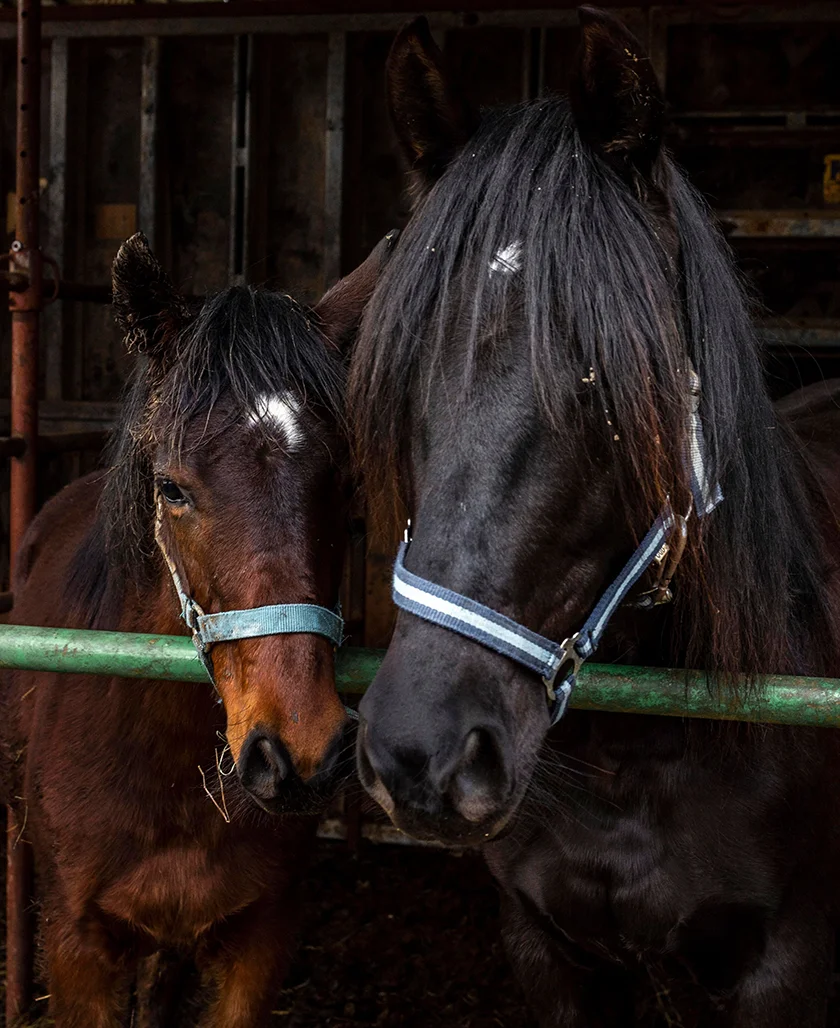
Vaccinations are a cornerstone of preventive equine care, and CEVS offers a full spectrum of equine vaccinations tailored to your horse’s age, lifestyle, and risk factors. Our team follows current veterinary guidelines to help protect against common and regionally relevant diseases, keeping your horse healthy and performing at their best. Thoughtful scheduling and individualized recommendations ensure effective, reliable protection year-round.
Dentistry
The health of a horse’s mouth is very important.
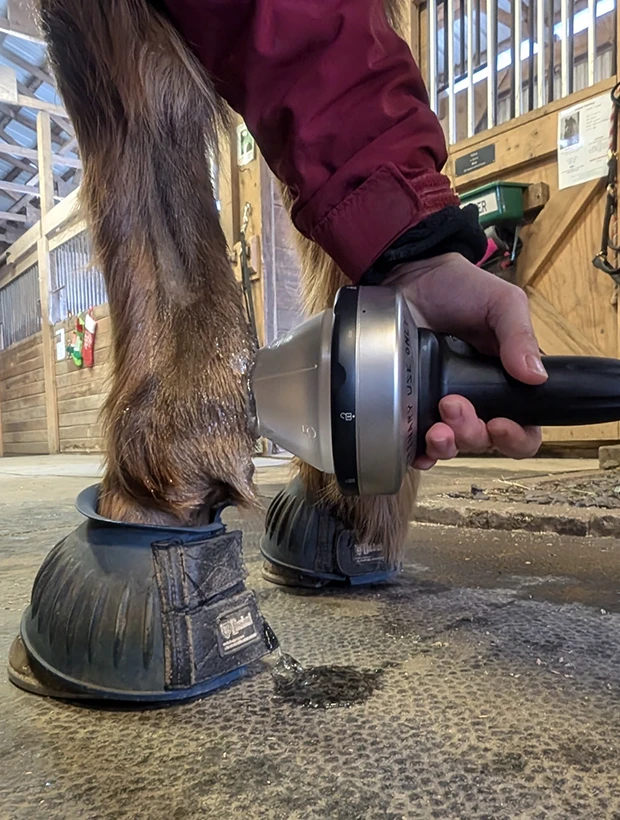
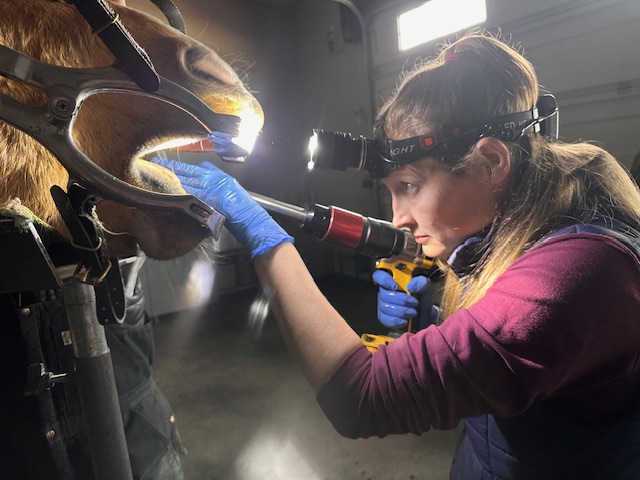
Not only does appropriate chewing and swallowing need to occur to maintain weight, but dental abnormalities can be the cause of performance problems. Yearly exams will reveal if your horse needs to have its teeth floated and appropriate care will help decrease the chance of encountering dental problems. At CEVS, an oral speculum is placed and a PowerFloat system is used to perform any dental floating necessary. Removal of wolf teeth can also be performed.
Lameness
Every horse owner will at some point encounter lameness.
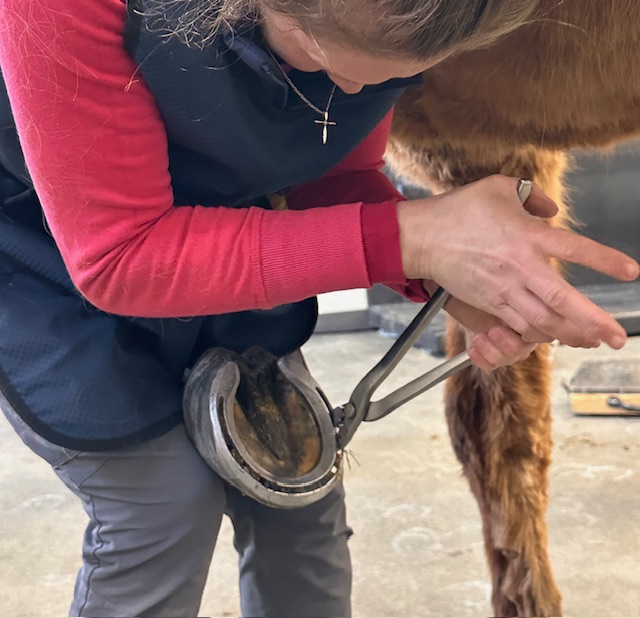
Dr. Oliver has a strong interest in lameness. Whether it be a foot abscess or a subtle inconsistency, CEVS is determined to diagnose the problem. A full lameness exam is performed and further diagnostics approached as necessary. Once an area of lameness is located, the area can be further explored with digital radiography and/or ultrasonography. Appropriate treatment of the lameness is then initiated.
Opthamology
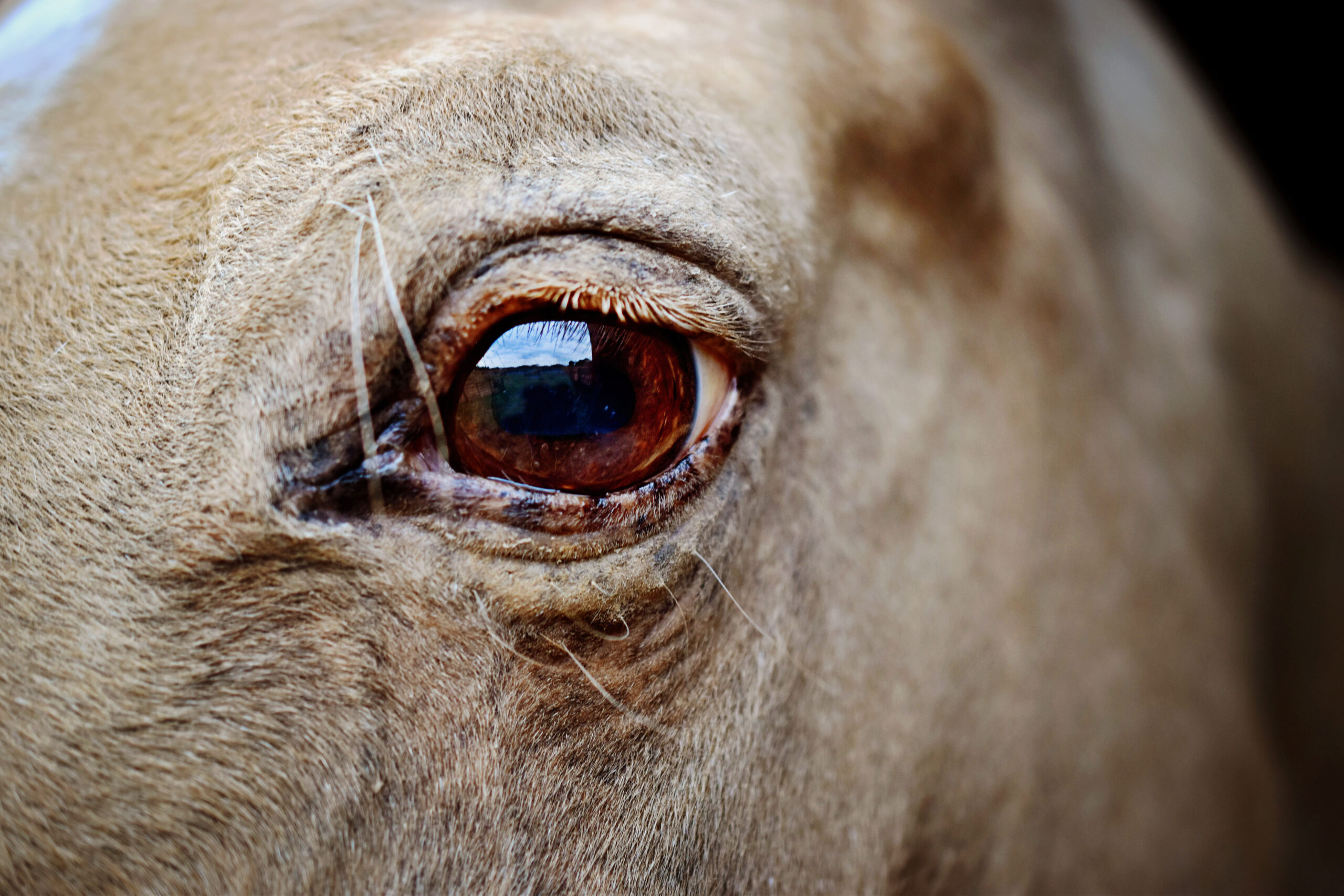
Eye problems in horses heal quickly when treated, yet simple problems can become serious just as quickly.
Due to this, we suggest you call immediately if you notice a problem with your horse’s eye(s). These include squinting, excessive tearing, swollen eyelids or conjunctiva or masses. Horses can often develop cancers or masses of the eye and if treated quickly and appropriately, they can do well. Waiting to see if the problem resolves may lead to your horse having to have his eye removed or blindness.